
Ambito della community: Questa community è dedicata al settore tessile, ai tessuti e all’abbigliamento. Non pubblicare contenuti non pertinenti.
Hub globale di Textile Alliance

Chiedi · Condividi · Trova fornitori · Risolvi

Dai visibilità alle tue esigenze, fai scoprire i tuoi prodotti e trova più rapidamente i contatti giusti.

Recenti Pagina 3 di 3
Conoscenze1 mesi fa

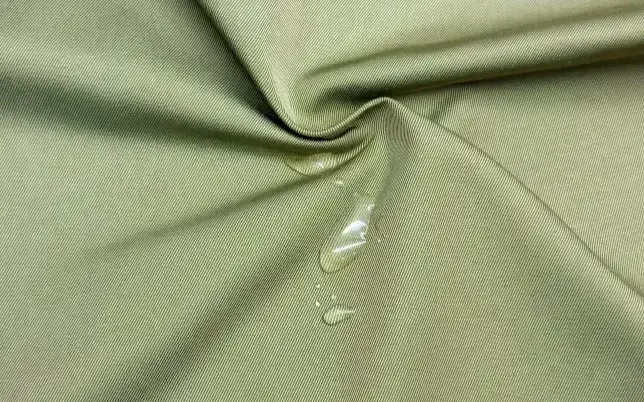
Our fabrics can be tested by well-known third-party testing organizations such as ITS, SGS, BV, and others, and can meet our customers’ requirements.

MessaggioMi piace9Salva8Ripubblica0Condividi
Conoscenze1 mesi fa

Do you really know what “PFAS-free” means in textiles?
I’ve seen many mills, dyehouses and finishing factories say, “We are PFAS-free” or “Our machines are PFAS-free.”
But when you ask for a test report, very often they cannot provide one.
PFAS stands for per- and polyfluoroalkyl substances, a large group of fluorinated chemicals historically used in textiles for water, oil and stain repellency. The problem is that many PFAS are highly persistent and can remain in the environment for a very long time.
In textile production, PFAS may come from legacy finishes, shared equipment, auxiliaries, raw materials or cross-contamination.
That is why I don’t think it is responsible to simply claim a factory is “100% PFAS-free.”
A better approach is to talk about actual test results and applicable limits.
For example, instead of saying “PFAS-free,” I prefer wording such as:
“The tested PFAS substances are below the specified limit according to the relevant test method.”
The key questions should always be: Which PFAS were tested? Which method was used? What is the detection limit?
A laboratory report is more meaningful than a marketing claim.

MessaggioMi piace14Salva5Ripubblica0Condividi
Textile Alliance fornisce esclusivamente strumenti di informazione e comunicazione. Le transazioni avvengono direttamente tra gli utenti. La piattaforma non garantisce pagamenti, consegne, qualità dei prodotti o corretto adempimento delle transazioni.