

Ámbito de la comunidad: Esta comunidad está dedicada al sector textil, los tejidos y la confección. No publiques contenido ajeno a estos ámbitos.

Conocimiento

Consulta experiencia técnica, conocimiento de procesos y prácticas del sector compartidas por los miembros.

Compartir conocimiento
Página 2 de 2
Conocimientohace 1 mes

What is PU coating, and what does it do?
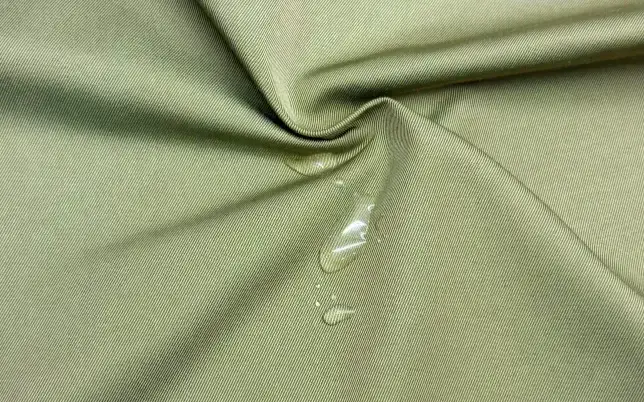
PU coating, short for polyurethane coating, is applied to the surface of a fabric and then rapidly dried. The resulting fabric can effectively resist water penetration and provide wind resistance. It can also give the fabric more body and create a smoother, flatter surface.
The hand feel is not soft, but more skin-like. It is suitable for trench coats, padded jackets, shell jackets and other jackets.
The hydrostatic head can reach 1,000–15,000 mmH₂O.

Invitados a responder
MensajeMe gusta12Guardar4Repostear0Compartir
Conocimientohace 1 mes

Our fabrics can be tested by well-known third-party testing organizations such as ITS, SGS, BV, and others, and can meet our customers’ requirements.

MensajeMe gusta8Guardar8Repostear0Compartir
Conocimientohace 1 mes

Do you really know what “PFAS-free” means in textiles?
I’ve seen many mills, dyehouses and finishing factories say, “We are PFAS-free” or “Our machines are PFAS-free.”
But when you ask for a test report, very often they cannot provide one.
PFAS stands for per- and polyfluoroalkyl substances, a large group of fluorinated chemicals historically used in textiles for water, oil and stain repellency. The problem is that many PFAS are highly persistent and can remain in the environment for a very long time.
In textile production, PFAS may come from legacy finishes, shared equipment, auxiliaries, raw materials or cross-contamination.
That is why I don’t think it is responsible to simply claim a factory is “100% PFAS-free.”
A better approach is to talk about actual test results and applicable limits.
For example, instead of saying “PFAS-free,” I prefer wording such as:
“The tested PFAS substances are below the specified limit according to the relevant test method.”
The key questions should always be: Which PFAS were tested? Which method was used? What is the detection limit?
A laboratory report is more meaningful than a marketing claim.

MensajeMe gusta11Guardar4Repostear0Compartir
Textile Alliance ofrece únicamente herramientas de información y comunicación. Las operaciones se realizan directamente entre los usuarios. La plataforma no garantiza pagos, entregas, calidad del producto ni cumplimiento de las transacciones.