
コミュニティの対象範囲: 本コミュニティは、生地・繊維・アパレル業界に関する情報交換を目的としています。業界と関係のない内容は投稿しないでください。

技術情報

メンバーが共有する技術経験、加工知識、業界実務を閲覧できます。

知識を共有
3 / 3 ページ
知識共有1か月前

Our fabrics can be tested by well-known third-party testing organizations such as ITS, SGS, BV, and others, and can meet our customers’ requirements.

メッセージいいね9保存8リポスト0共有
知識共有1か月前

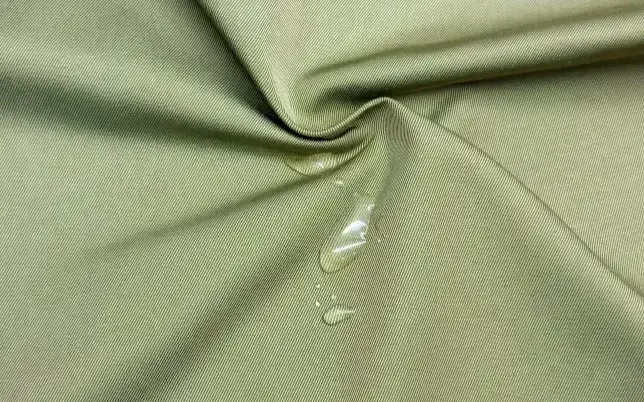
Do you really know what “PFAS-free” means in textiles?
I’ve seen many mills, dyehouses and finishing factories say, “We are PFAS-free” or “Our machines are PFAS-free.”
But when you ask for a test report, very often they cannot provide one.
PFAS stands for per- and polyfluoroalkyl substances, a large group of fluorinated chemicals historically used in textiles for water, oil and stain repellency. The problem is that many PFAS are highly persistent and can remain in the environment for a very long time.
In textile production, PFAS may come from legacy finishes, shared equipment, auxiliaries, raw materials or cross-contamination.
That is why I don’t think it is responsible to simply claim a factory is “100% PFAS-free.”
A better approach is to talk about actual test results and applicable limits.
For example, instead of saying “PFAS-free,” I prefer wording such as:
“The tested PFAS substances are below the specified limit according to the relevant test method.”
The key questions should always be: Which PFAS were tested? Which method was used? What is the detection limit?
A laboratory report is more meaningful than a marketing claim.

メッセージいいね14保存5リポスト0共有
Textile Alliance は情報提供とコミュニケーションの場を提供するもので、取引は利用者間で独立して行われます。支払い、納品、製品品質、取引履行を保証するものではありません。